
How to Make Your Brand “Newsworthy” for High-DA Editorial Links
Prism PR named agency of record for Gaia, the world’s leading wellness streaming service, discover how this partnership is shaping the future of wellness media.…
Most founders have never hired a PR agency, and many are unsure what one does. That uncertainty costs money, because it leads to the wrong hire or no hire at all.
This guide explains what a PR agency does, the core services it offers, what a campaign looks like month by month, and how to choose the right partner. It is written for founders and CEOs considering public relations for the first time.
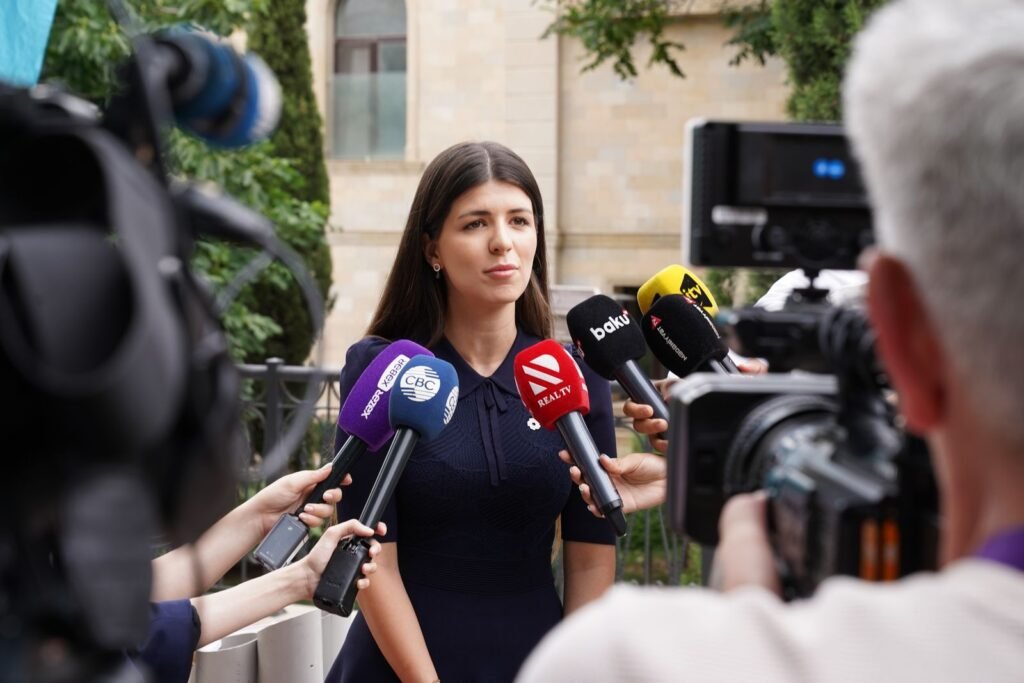
A PR agency gets other people to talk about you. Those people include reporters, editors, TV producers, podcast hosts, and conference organizers.
That is the key difference between public relations and advertising. With advertising, you pay to say something about yourself. With PR, a credible third party decides you are worth writing about.
Readers trust the second kind far more. So do Google and AI tools like ChatGPT, which rely heavily on news coverage when they recommend companies.
| PR | Advertising | Marketing | |
|---|---|---|---|
| Who tells the story | A reporter or other third party | You, in space you paid for | You, on your own channels |
| What you pay for | The work of earning coverage | The space or the clicks | Content, tools, and people |
| How people see it | As news or expert opinion | As an ad | As the company talking |
| How long it lasts | Articles stay online for years | Stops when spending stops | As long as you keep producing |
A healthy company usually uses all three. PR is the one that builds credibility, because it is the only one where someone else vouches for you.
Good PR comes down to four jobs. The first is finding the story, the angle a reporter will want to cover. The second is knowing which reporters to tell, on the right day, about the thing they cover.
The third is preparing your spokespeople with key messages and media training. The fourth is protecting your name when something goes wrong.
Most agencies offer some mix of the following services. Knowing which one you need helps you hire the right PR agency for your goals.
A full-service PR agency combines several of these. A specialist firm may focus on one or two.
Every campaign differs, but most follow a similar rhythm. Knowing the rhythm helps you set realistic expectations.
Month one is discovery. The PR agency learns your business, customers, competitors, and goals. It audits what has already been written about you and identifies the stories worth telling.
Month two is preparation. The team builds any research study, writes key messages, and trains your spokespeople. It also researches the media list reporter by reporter, matching each story to the people who cover that topic.
Month three and beyond is outreach. Pitches go out, interviews get scheduled, and stories start to run. A good agency reports what was placed, where it ran, and what it led to.
Results tend to build over time. A reporter who quotes you once is more likely to call you again. Each story also makes the next pitch easier, because your company now has a track record in the press.
This is why most agencies recommend a longer commitment. A one-month test rarely shows what public relations can do. Six to twelve months gives coverage time to accumulate and gives you enough data to judge the return.
Ask any PR agency you interview to walk you through its own version of this timeline. A clear plan, with named milestones and regular reporting, is a strong sign that the agency knows what it is doing.
When the NBA made its first official visit to India, working with the U.S. State Department, our job was to make the world pay attention. We ran a media tour and fan events with NBA All-Stars Pau Gasol and Chris Bosh, launched a grassroots basketball league, and framed the visit as the league’s next big market after China.
The campaign produced 1,219 media hits, including the first front-page NBA story in the Financial Times. Then came the part that mattered most.
A Sony India executive read that Financial Times article and called the NBA. That call led to a multiyear, multimillion-dollar deal to broadcast NBA games live in India for the first time.
One story, placed in the right outlet, opened a market. That is what public relations does at its best.
The same principles work for individual leaders. For NASCAR Chairman and CEO Brian France, we built coverage around his leadership and his family’s philanthropy.
Positive coverage rose 394% over two years, and his speaking engagements rose 700%. His improved public image also helped NASCAR sign Monster Energy at $20 million per season.
Both campaigns started with a business goal, not a press release. The NBA wanted a new market, and NASCAR’s chairman wanted a public image that matched his record. A good PR agency starts with that goal and works backward to the stories, outlets, and spokespeople that will serve it.
You can review more outcomes in our case studies and see the brands we have worked with.
Start with three questions for any agency you consider. First, ask who will actually do the work, because you want senior people who have pitched national reporters. Second, ask what the agency has placed for a company like yours, with real stories and links.
Third, ask how results will be measured. Good answers include stories placed, links earned, visibility in search and AI answers, and the business results that followed.
It also helps to know the limits of PR. A PR agency does not guarantee a specific story, because reporters decide what to publish. An agency promising a guaranteed feature in a named outlet is usually selling a paid placement.
PR also does not replace advertising. It builds trust and visibility over time, while ads deliver quick volume. And it needs your involvement, including fast access to your executives, data, and decisions.
Finally, understand the two common pricing models. A monthly retainer pays for an ongoing program of media relations, executive visibility, and crisis support. Pay-for-performance means you pay only for results, such as a placed story or an earned link.
At Prism we offer both. Many clients start with a pay-for-performance linkbuilding pilot and move to full-service PR once they see what earned coverage does for them.
Most campaigns spend the first month or two on research and materials, with coverage building from there. The biggest gains usually come over six to twelve months as stories accumulate.
Often it is worth more for a small company than for a large one. Data-driven PR lets a lesser-known company earn national coverage on the strength of a good story rather than a big name.
Traditional PR focuses on earning coverage and shaping reputation. Digital PR focuses on earning online coverage that links back to your website, which helps your Google rankings and your visibility in AI answers.
No. Reporters decide what to publish, so an honest PR agency guarantees effort, strategy, and reporting, not a specific story. If you want to pay only for results, choose a pay-for-performance model instead of a guarantee.
AI tools lean on news coverage. Muck Rack studied more than 25 million links cited by ChatGPT, Claude, and Gemini and found that 84% came from earned media. We explain what that means in AI Search Visibility: Is Your Company in ChatGPT’s Answer?
A PR agency earns you credibility that advertising and your own channels do not provide, by getting trusted outlets to tell your story. The right partner finds your story, tells it to the right reporters, and measures what it delivers. Today that coverage also decides whether Google and AI tools recommend you, which makes choosing the right PR agency more valuable than ever.
Rick Pendrick is CEO of Prism PR and the 2026 PR News Person of the Year in Digital PR and Data. He has spent more than 25 years at top New York PR agencies and in-house at the NBA and NASCAR.
Thinking about PR for the first time? Schedule an intro meeting.
Keep Reading
Prism PR named agency of record for Gaia, the world’s leading wellness streaming service, discover how this partnership is shaping the future of wellness media.…
In today's fast-paced digital age, public relations (PR) has evolved beyond its traditional roots. According to Statista, more than 97 billion US dollars will be…
-Securing DA: 90+ Backlinks is a Job for PR Experts, Not Digital Marketers- Getting on page one of Google can make or break your…
Get Started
Tell us what you want to be known for. We will show you how earned media gets you there.